

2L1.12 Share numbers by 2, 3, 4, 5 and 10
Workbooks
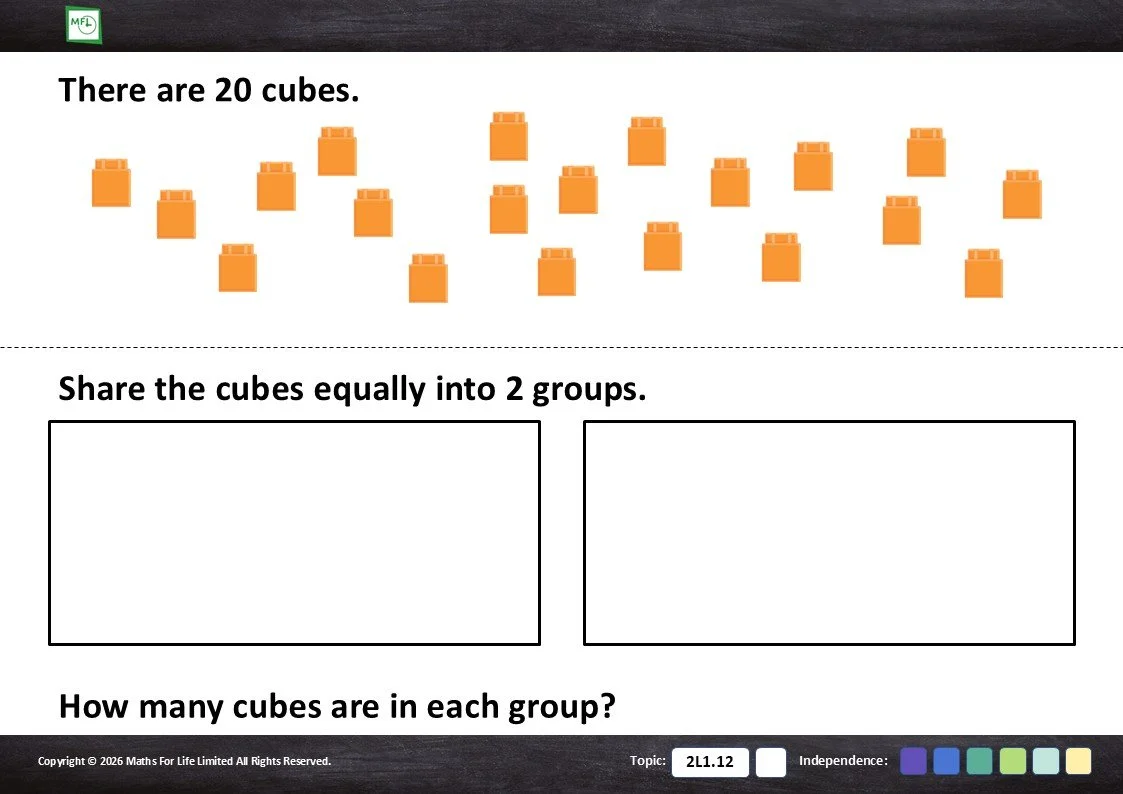
Equally share the cubes between 2 groups and count how many are in each group.
10 pages
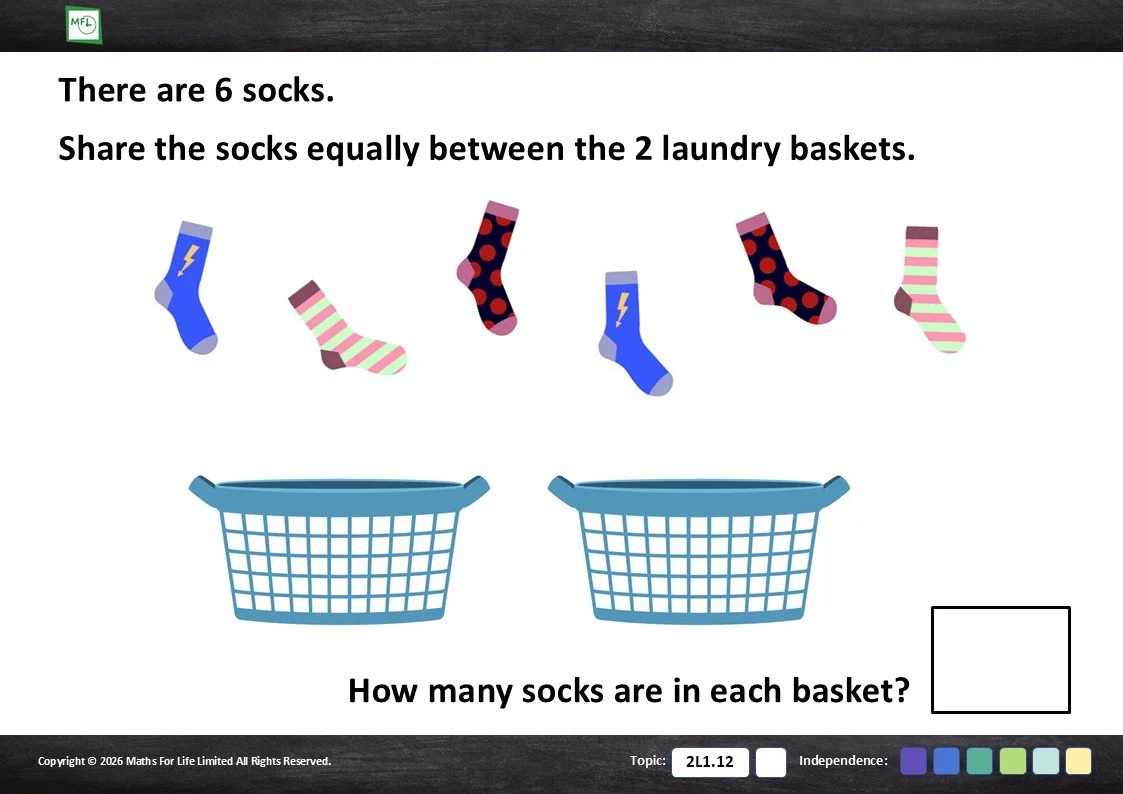
Equally share the socks between 2 groups and count how many are in each group.
10 pages
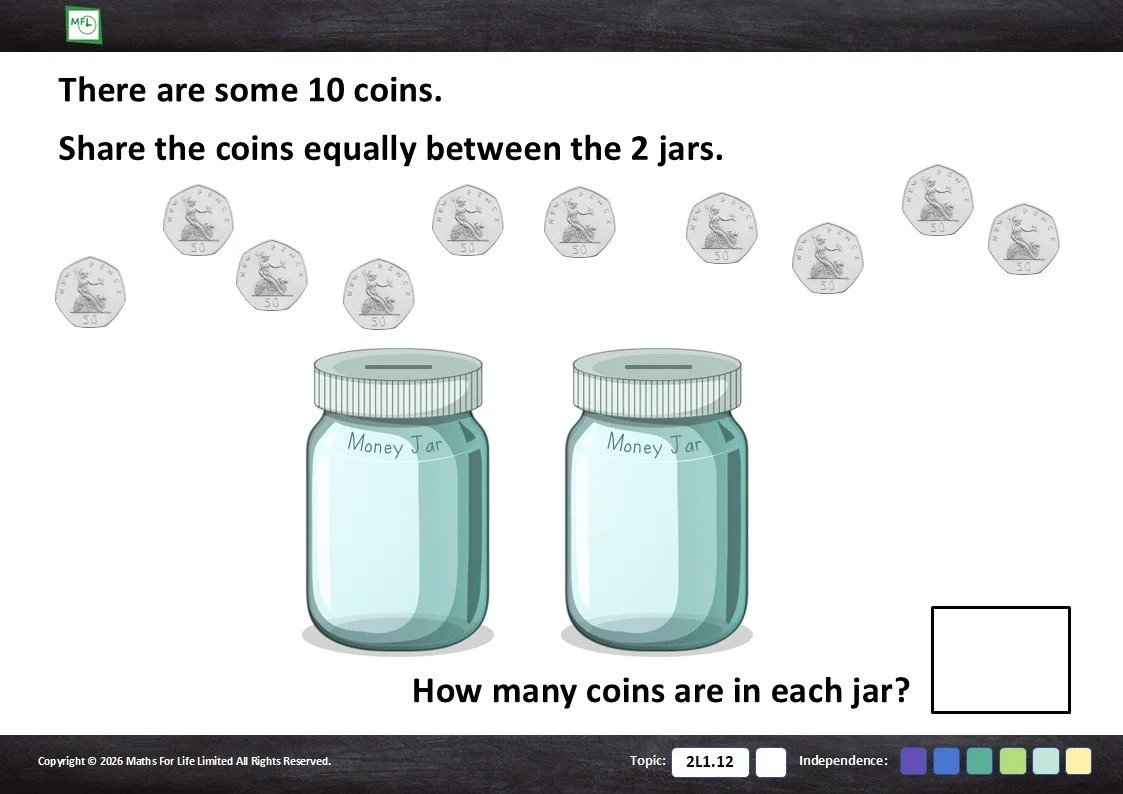
Equally share the coins between 2 groups and count how many are in each group.
10 pages
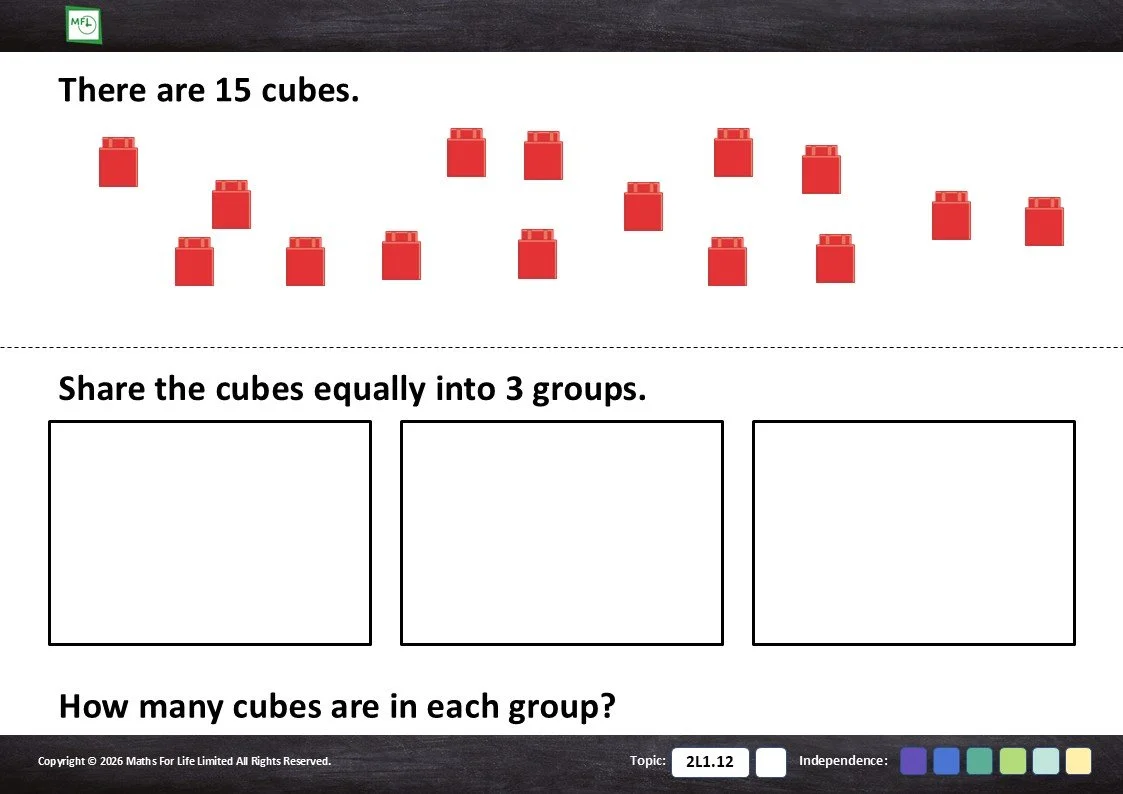
Equally share the cubes between 3 groups and count how many are in each group.
10 pages
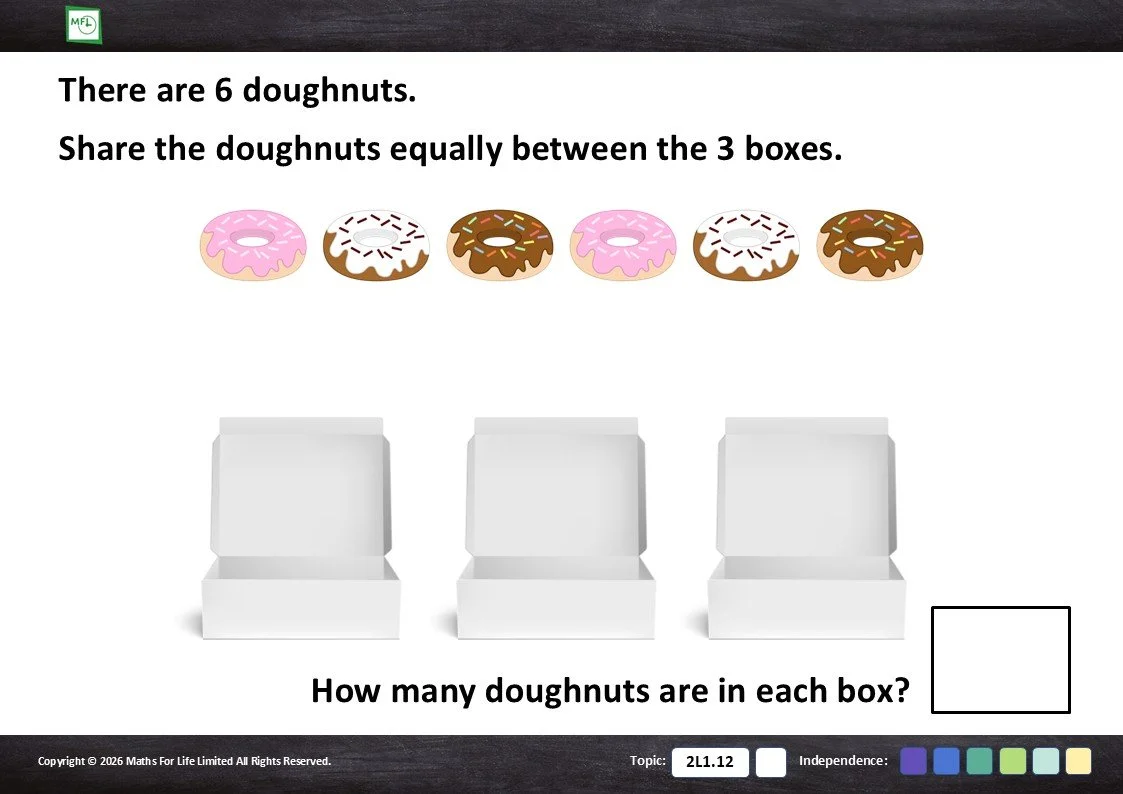
Equally share the doughnuts between 3 groups and count how many are in each group.
10 pages
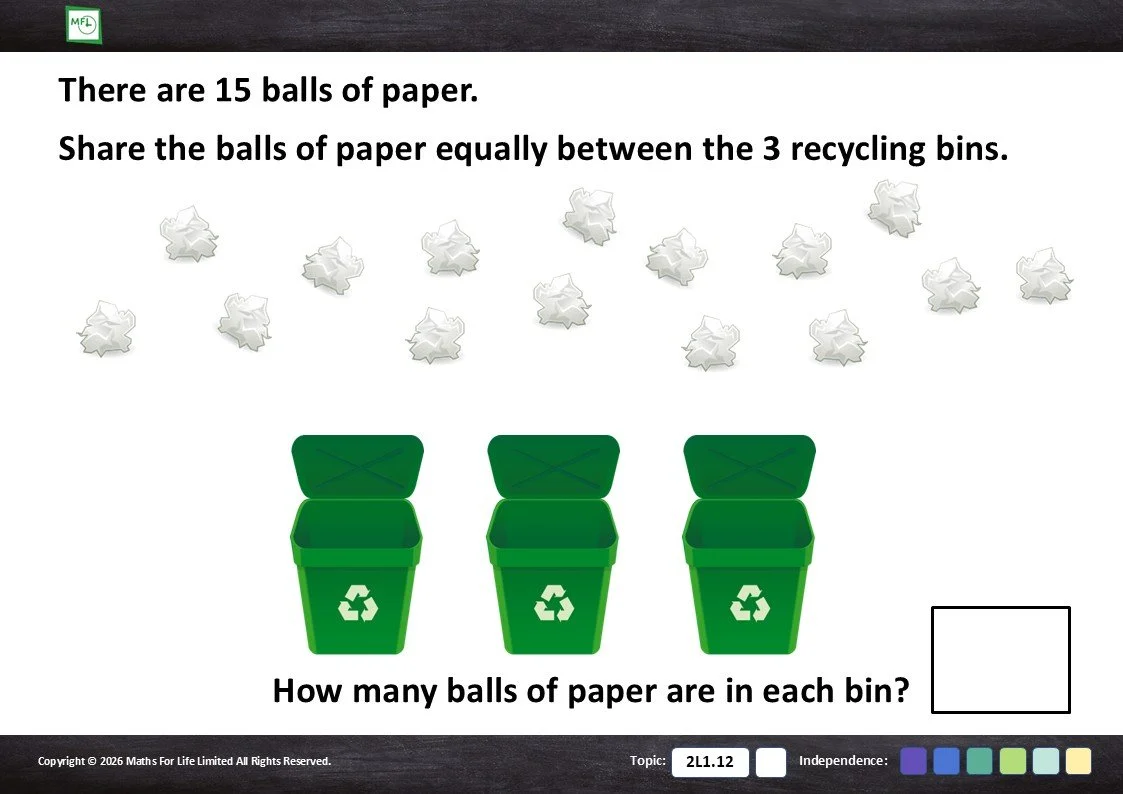
Equally share the balls of paper between 3 groups and count how many are in each group.
10 pages
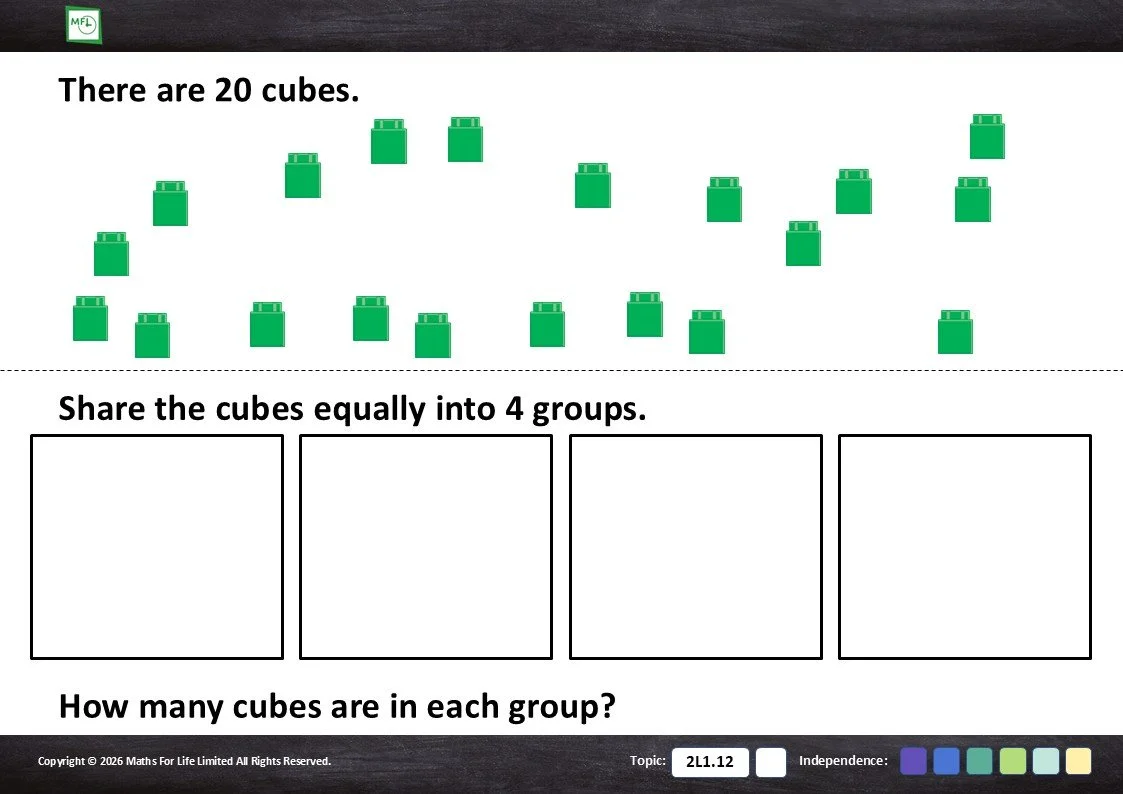
Equally share the cubes between 4 groups and count how many are in each group.
10 pages
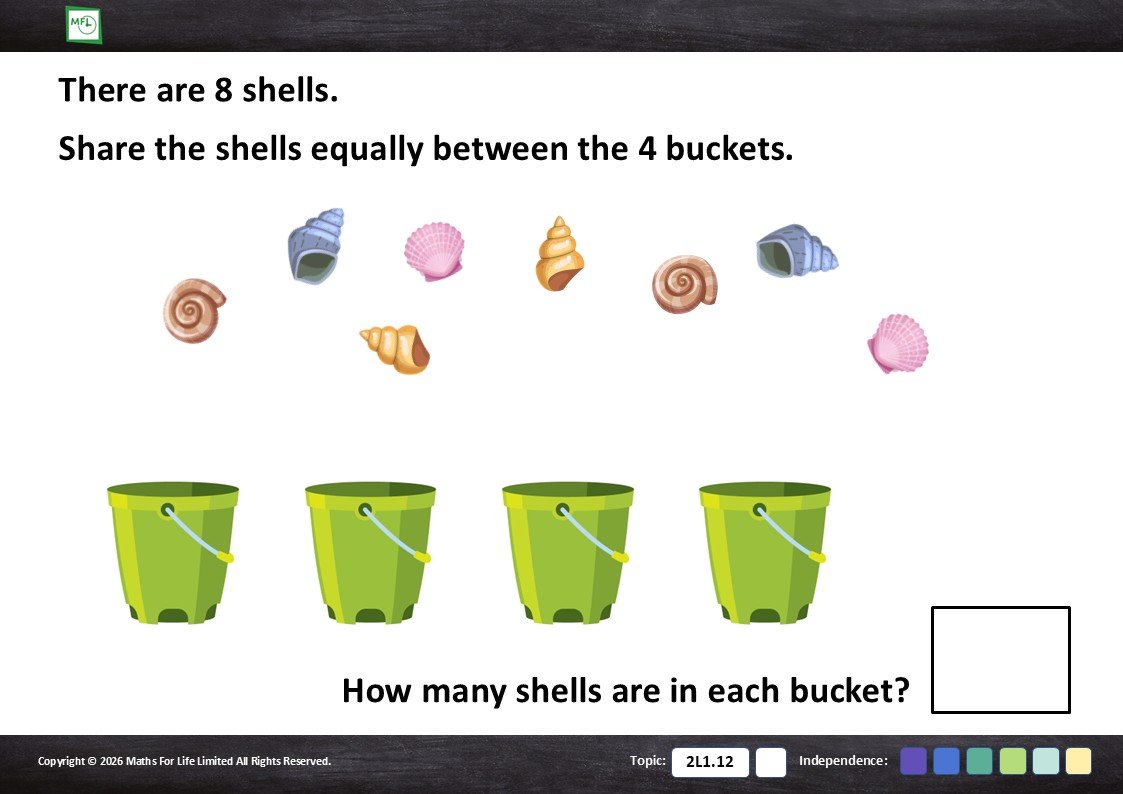
Equally share the shells between 4 groups and count how many are in each group.
10 pages
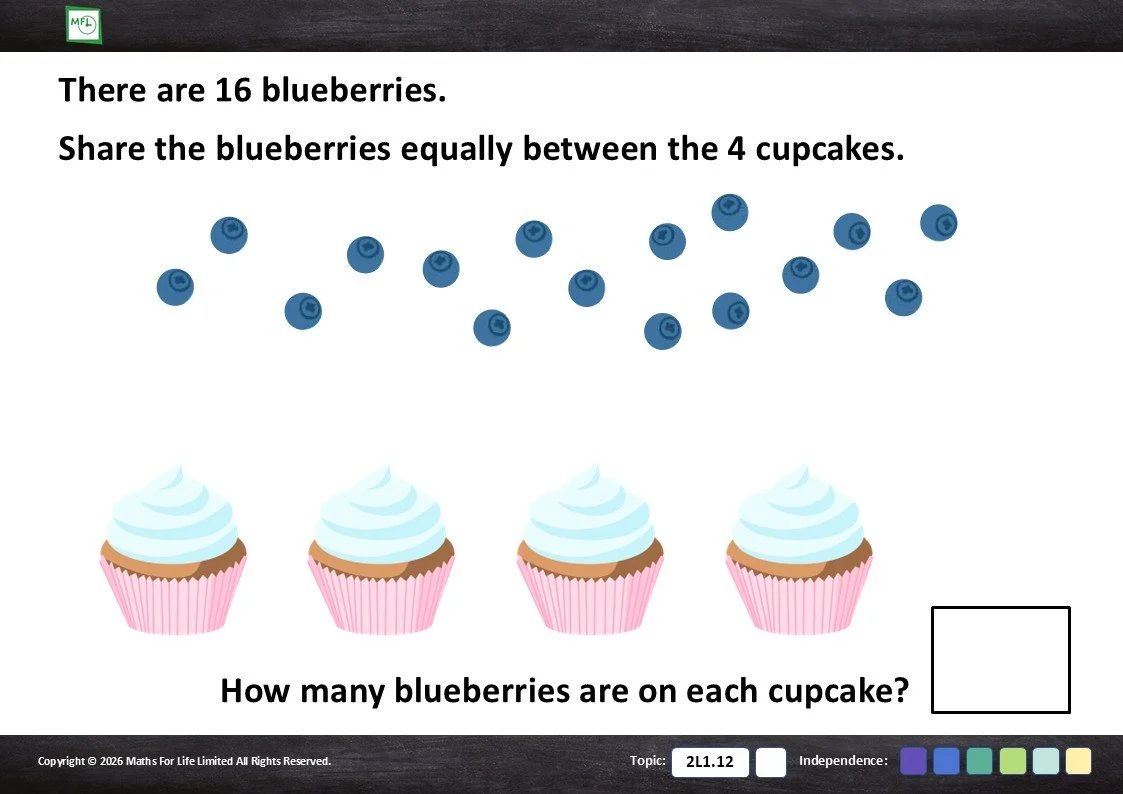
Equally share the blueberries between 4 groups and count how many are in each group.
10 pages
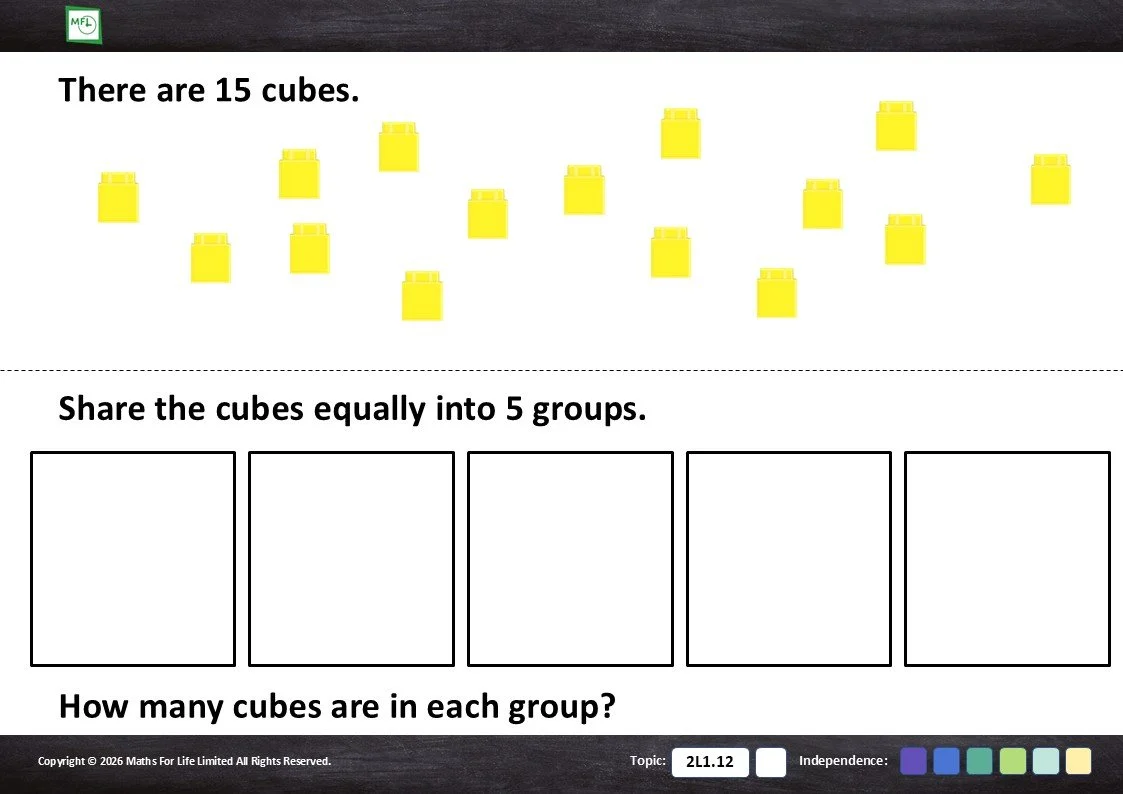
Equally share the cubes between 5 groups and count how many are in each group.
10 pages
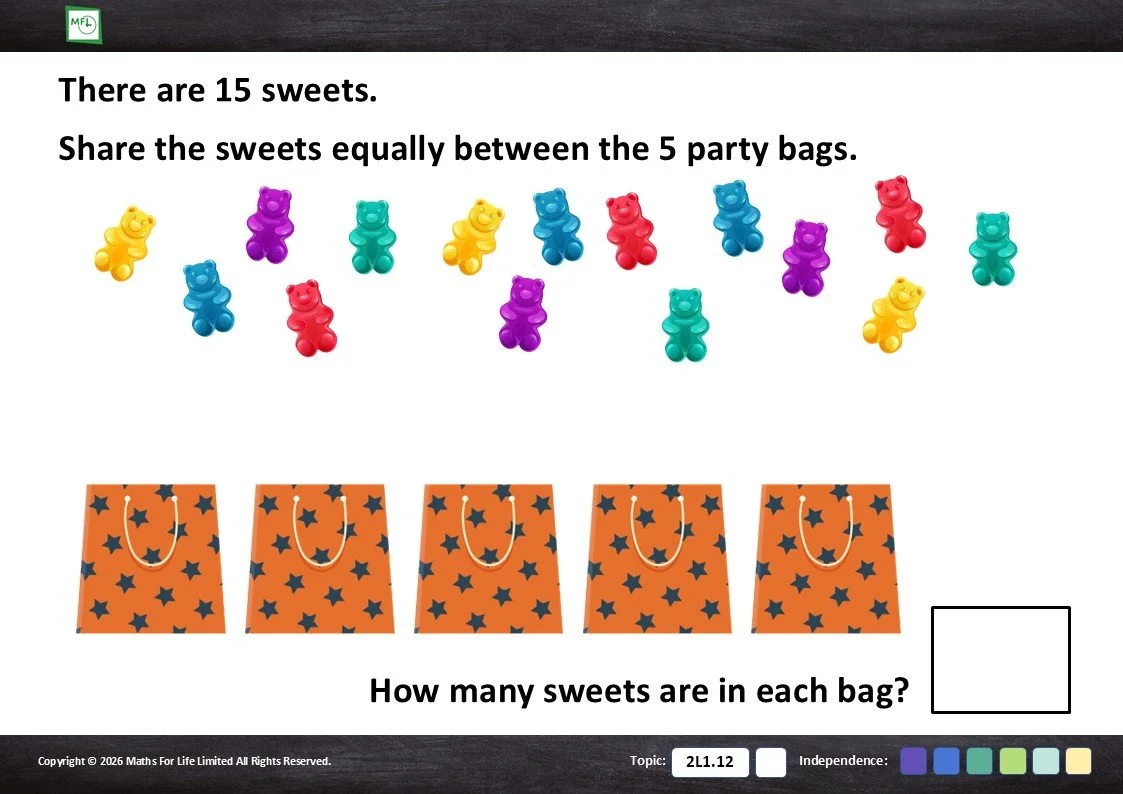
Equally share the sweets between 5 groups and count how many are in each group.
10 pages
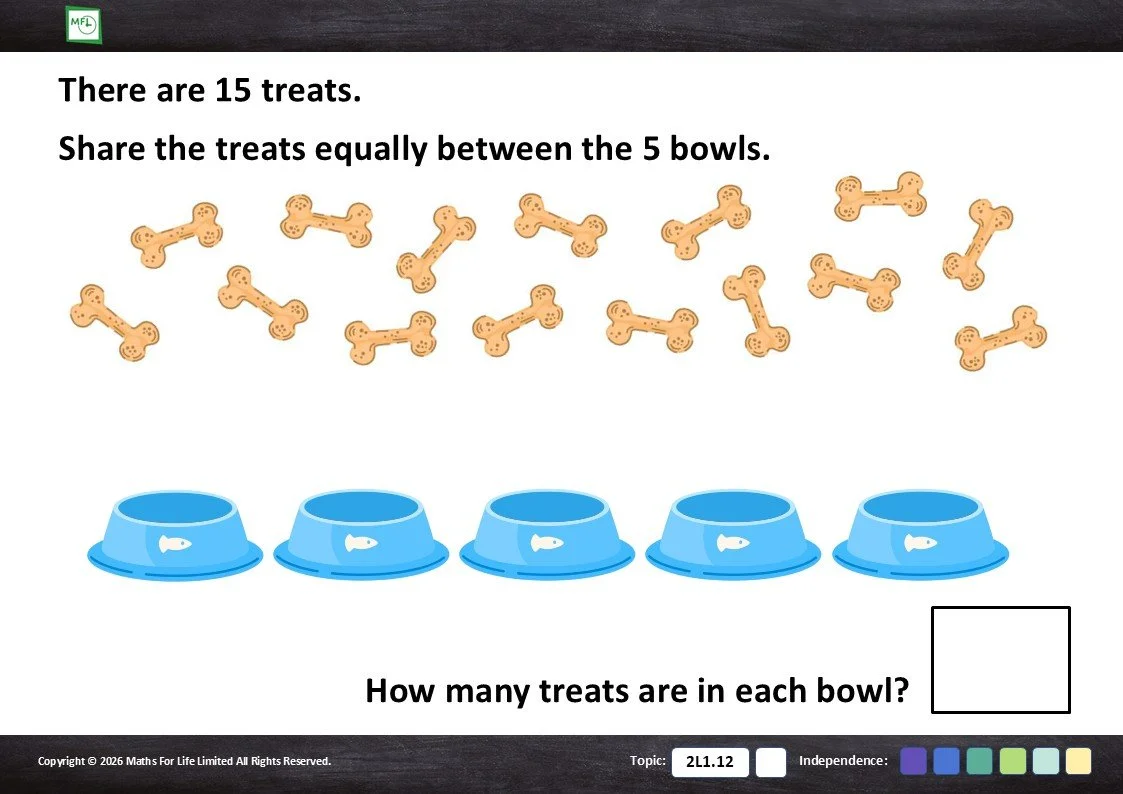
Equally share the treats between 5 groups and count how many are in each group.
10 pages
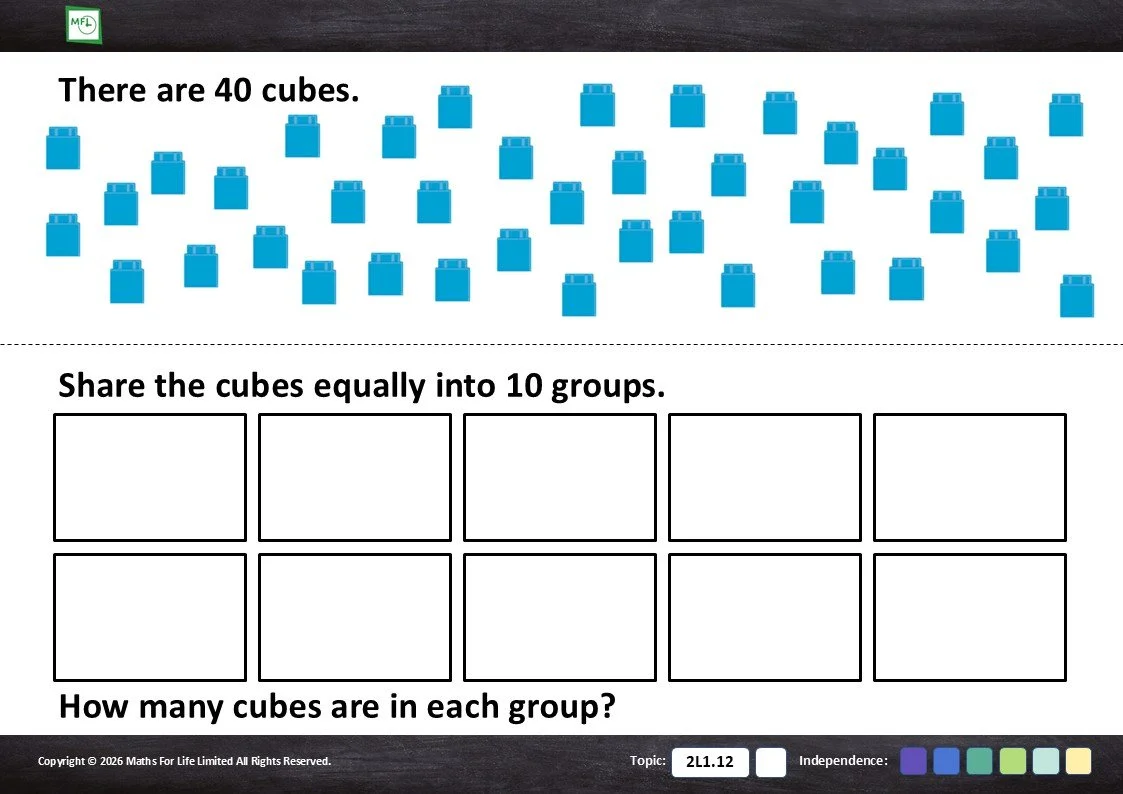
Equally share the cubes between 10 groups and count how many are in each group.
10 pages
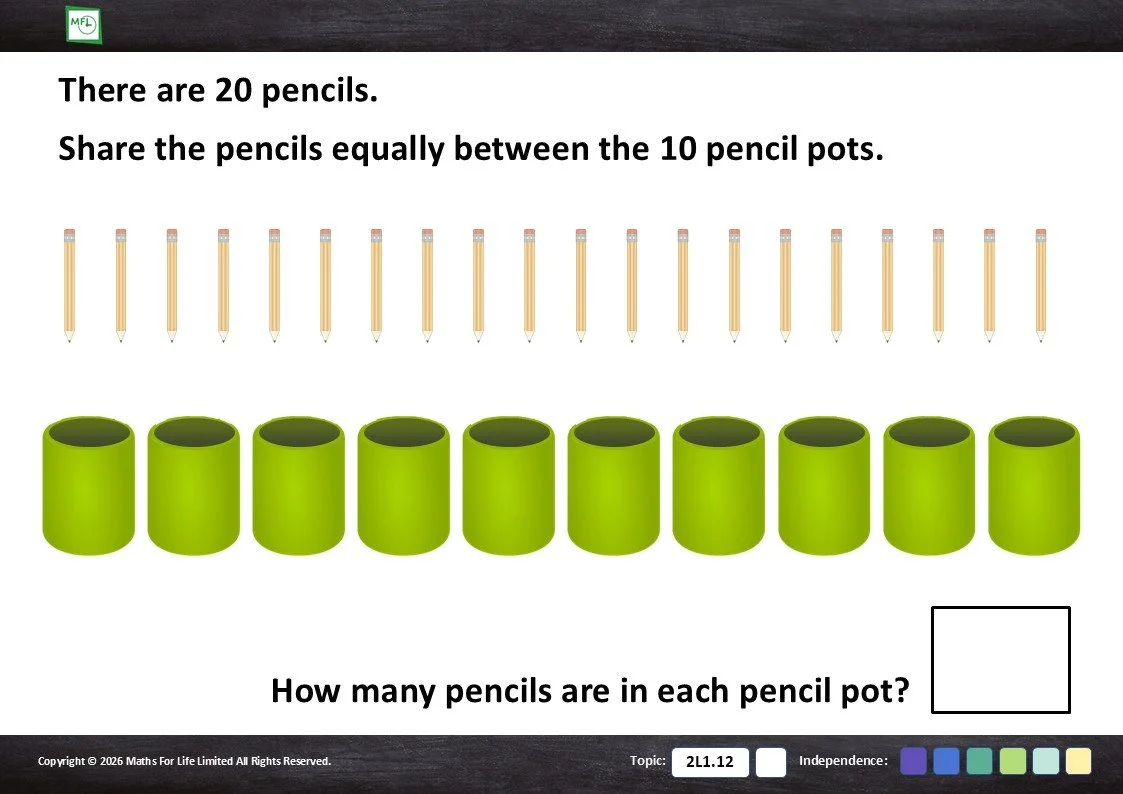
Equally share the pencils between 10 groups and count how many are in each group.
10 pages
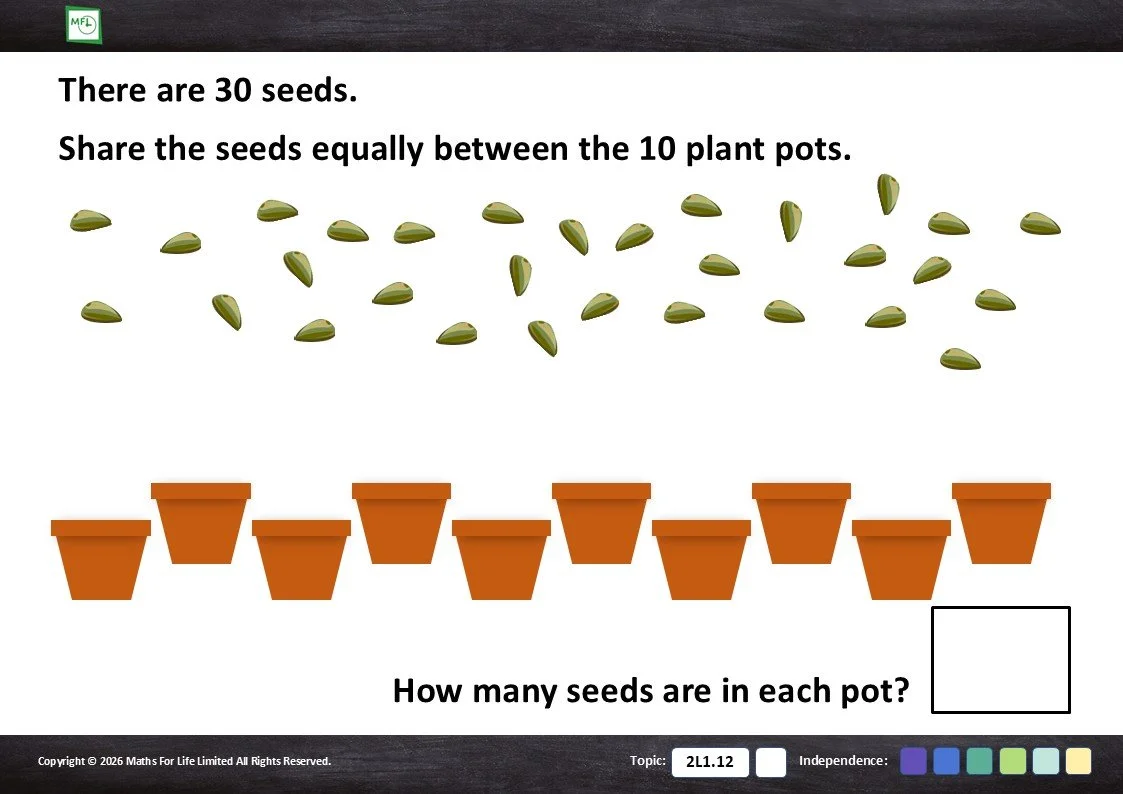
Equally share the seeds and paperclips between 10 groups and count how many are in each group.
10 pages
|
Videos
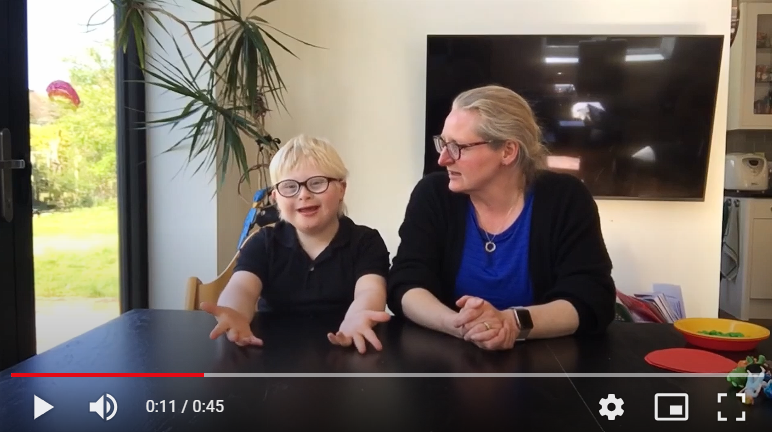
A great way to introduce sharing as the first step towards division. Discuss what sharing and sharing equally are and put them in a real life contexts.
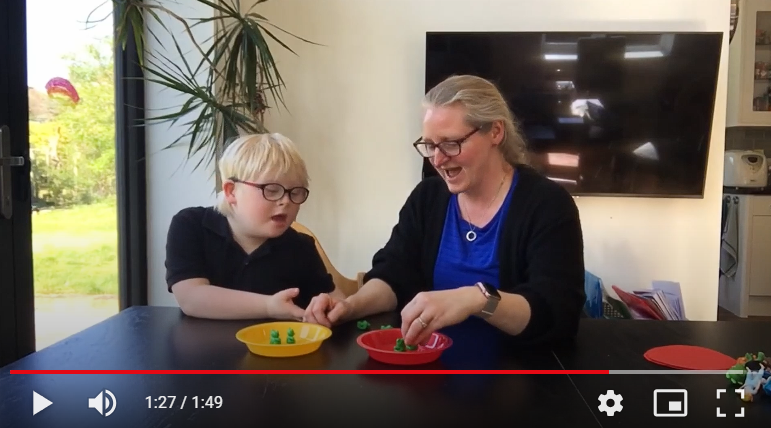
Counting 6 bears and sharing them equally between two bowls. Language focus; sharing equally, equal and the same.

Sharing 20 into 5 equal groups
Using toys and plates, Karen and Lance share 20 toys into 5 equal groups. Karen models counting in 2s.

Sharing 12 into 4 equal groups
Using toys and sharing circles, Karen and Lance share 12 toys equally between 4.